


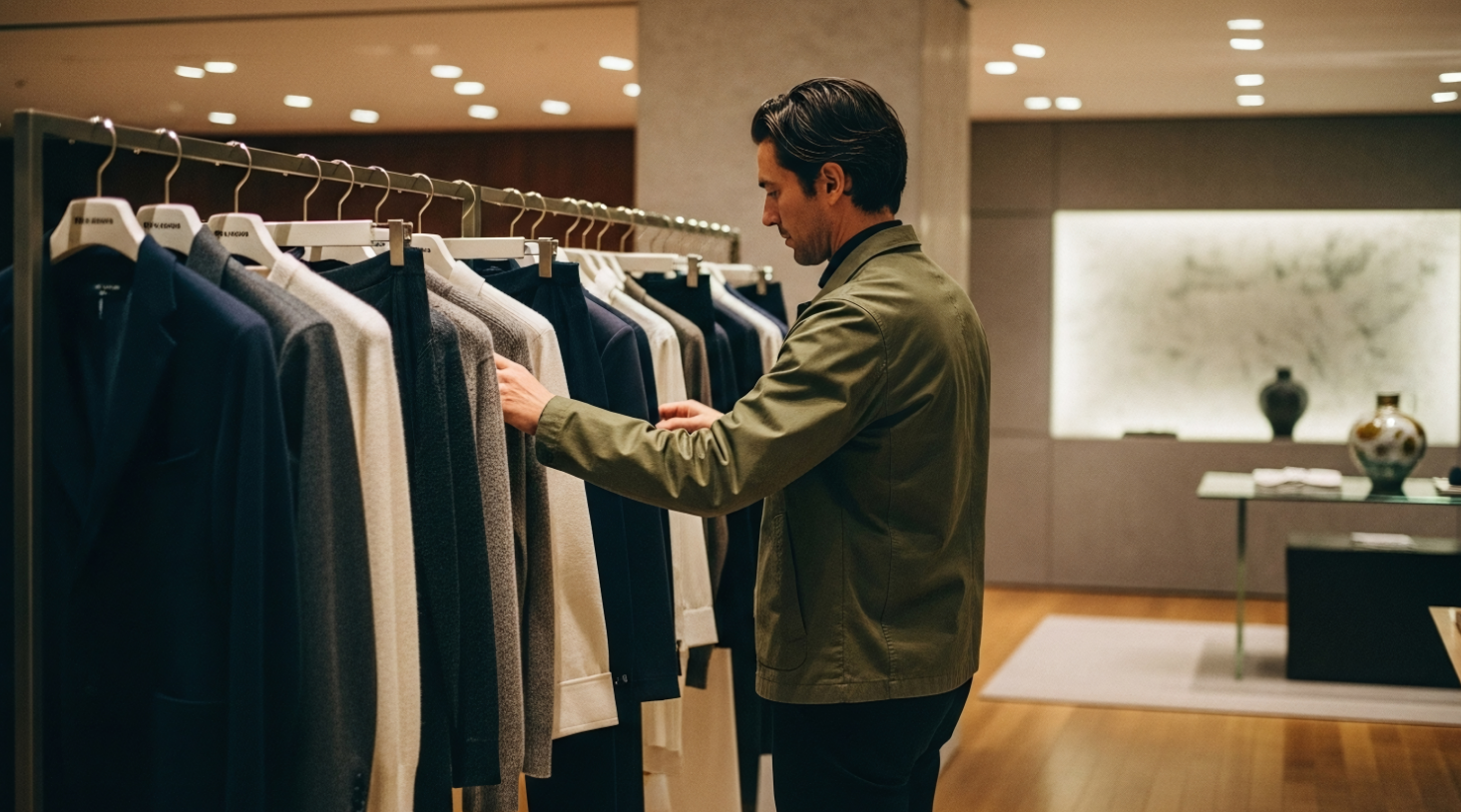
Thailand is known for its rich cultural heritage, warm hospitality, and strong sense of respect in social interactions. This respect extends into professional settings, where proper attire and personal hygiene play a crucial role in making a positive impression. In Thai workplaces, clean and appropriate clothing is more than a personal choice—it reflects your respect for colleagues, clients, and the organization itself.
Understanding Thai Professional Dress Codes
Professional dress in Thailand is often conservative and formal, especially in corporate, government, and service-oriented sectors. Men are generally expected to wear dress shirts, slacks, and often ties, while women commonly wear blouses with skirts or tailored pants. In many offices, business suits are standard for meetings or official events.
The emphasis is not only on the style but also on the cleanliness and condition of the clothing. Wrinkled, stained, or unkempt clothing can be interpreted as a lack of professionalism or attention to detail, which may affect perceptions in a hierarchical and relationship-oriented culture like Thailand’s.
The Role of Clean Clothing in Thai Work Culture
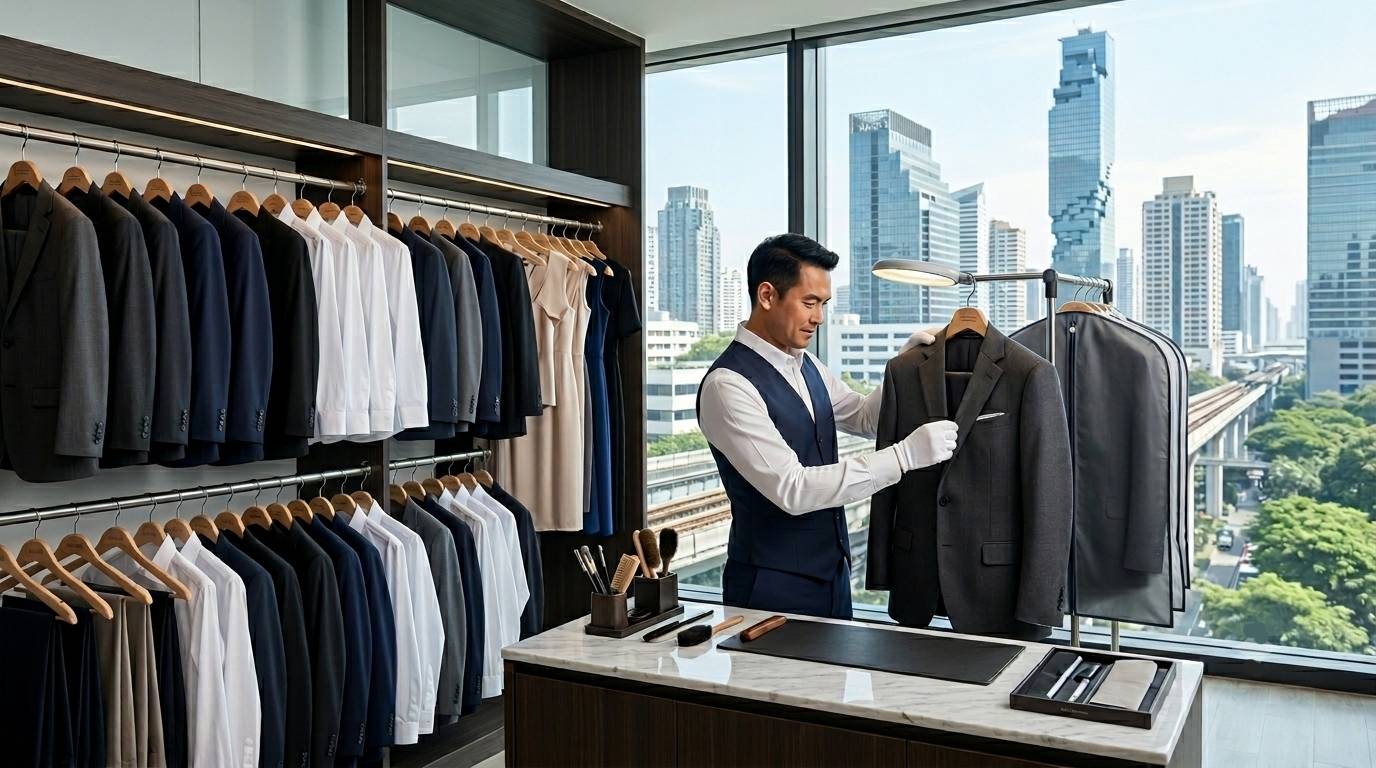
Clean clothing symbolizes respect, self-discipline, and professionalism. In Thailand, appearance is closely tied to social perception. Dressing neatly is not merely about aesthetics; it communicates reliability, organization, and cultural awareness.
In meetings, presentations, or business lunches, wearing freshly laundered and pressed clothing is essential. For women, this includes ensuring that skirts or pants are free from wrinkles, and blouses are clean and modest. For men, ironed shirts, polished shoes, and appropriate grooming demonstrate attention to detail.
Cultural Nuances to Keep in Mind
While professional attire is expected, Thailand’s tropical climate also influences clothing choices. Light, breathable fabrics are recommended, provided they maintain a polished and tidy appearance. Avoid overly casual clothing, such as T-shirts, shorts, or sandals, which may be acceptable in informal settings but are inappropriate in offices or formal meetings.
Thai society also values modesty, so clothing should not be revealing or provocative. Even in hot weather, sleeveless tops or short skirts are generally discouraged in professional contexts. Wearing clean, modest attire shows respect for local cultural norms and aligns with the hierarchical nature of professional interactions.
Practical Tips for Maintaining Professional Appearance
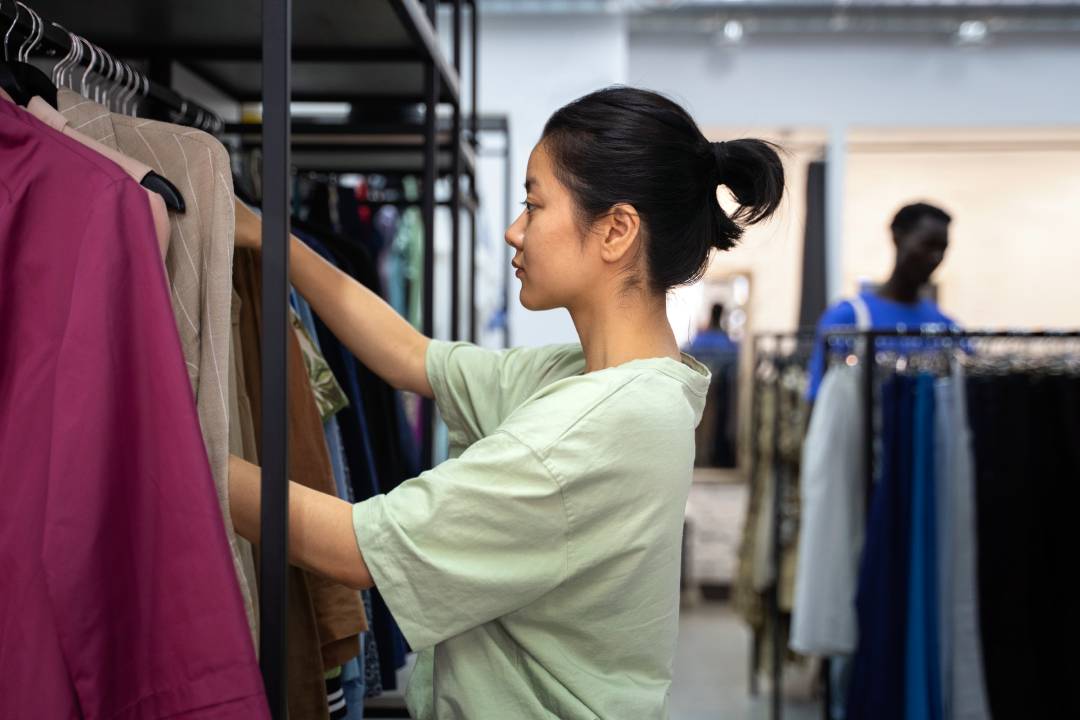
- Invest in Quality, Easy-to-Care-For Fabrics: Cotton blends, linen, and lightweight wool often look professional while being breathable and easier to maintain.
- Regular Laundering and Ironing: Ensure clothes are free from stains and wrinkles before entering the workplace.
- Shoes and Accessories Matter: Clean, polished shoes and minimal, professional accessories complement the overall attire.
- Personal Grooming: Hair, nails, and personal hygiene are equally important. They enhance the impression of professionalism.
- Pack Backup Options: In tropical climates, sudden rain or humidity can affect clothing. Having a spare shirt or blouse can be a lifesaver.
Conclusion
In Thailand, professional attire is a reflection of respect, competence, and cultural understanding. Wearing clean, modest, and well-maintained clothing is an unspoken rule that fosters positive interactions, builds trust, and enhances career opportunities. Whether you are a local professional or an expatriate, adhering to these cultural norms demonstrates not only your awareness of Thai etiquette but also your dedication to personal and professional excellence.
By paying attention to clothing cleanliness and appropriateness, you send a subtle yet powerful message about your professionalism, making it easier to navigate the nuances of Thai workplace culture successfully.
