


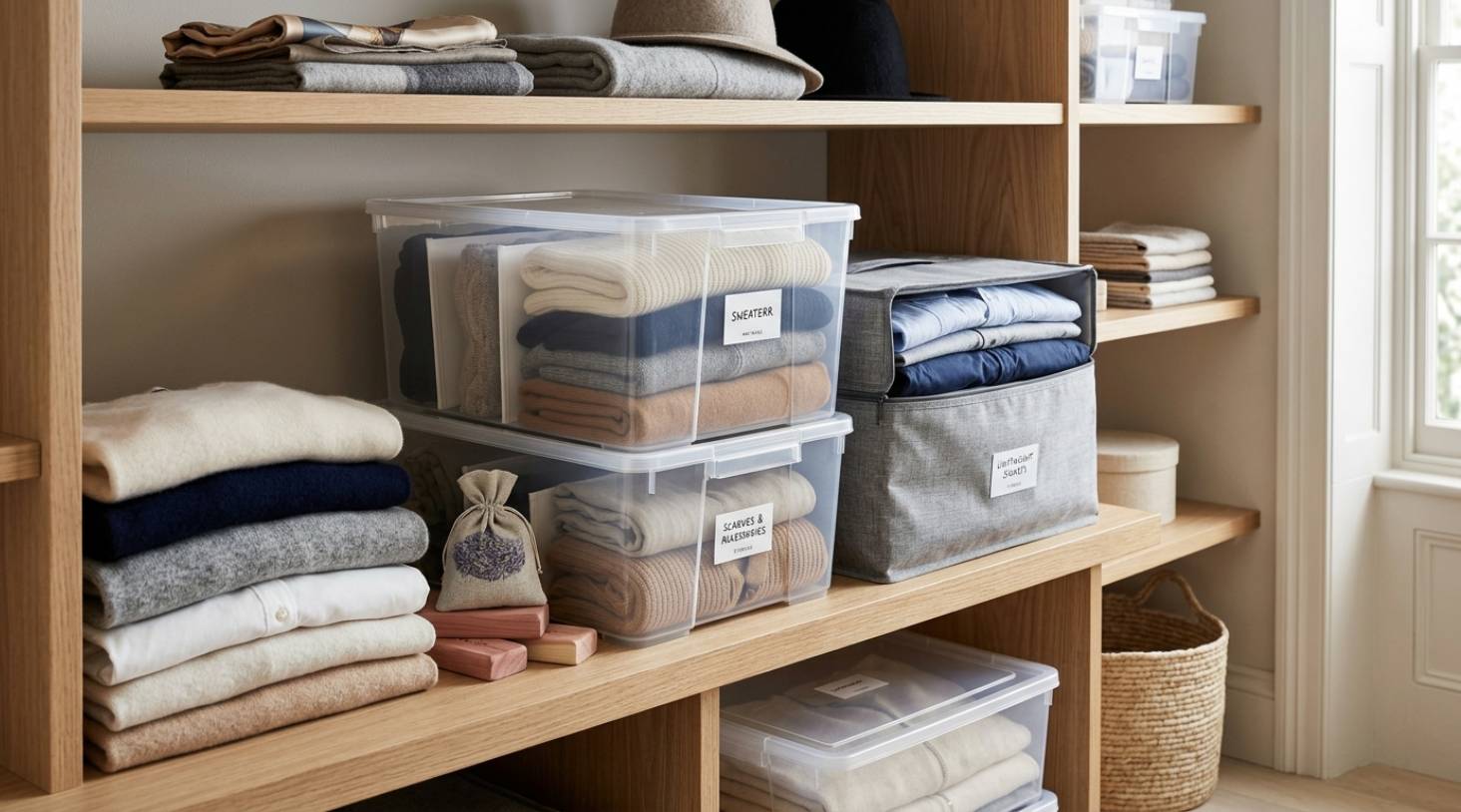
Storing seasonal clothing correctly after washing is essential for maintaining fabric quality and longevity. Clothes left improperly folded, damp, or exposed to light can fade, develop odors, or even grow mold and mildew. Thoughtful storage preserves garments for future use, saves money, and keeps your wardrobe organized.
Preparing Clothing for Storage
Before storing seasonal items:
- Wash and Dry Thoroughly: Clean clothes remove oils, dirt, and stains that could attract pests or cause discoloration over time. Make sure fabrics are fully dry to prevent mold.
- Repair Damages: Sew loose buttons, mend small tears, and fix zippers to avoid worsening damage during storage.
- Sort by Fabric Type: Separate delicate fabrics from sturdy ones, as they may require different storage methods.
Proper preparation sets the foundation for long-lasting garment care.
Choosing the Right Storage Solutions
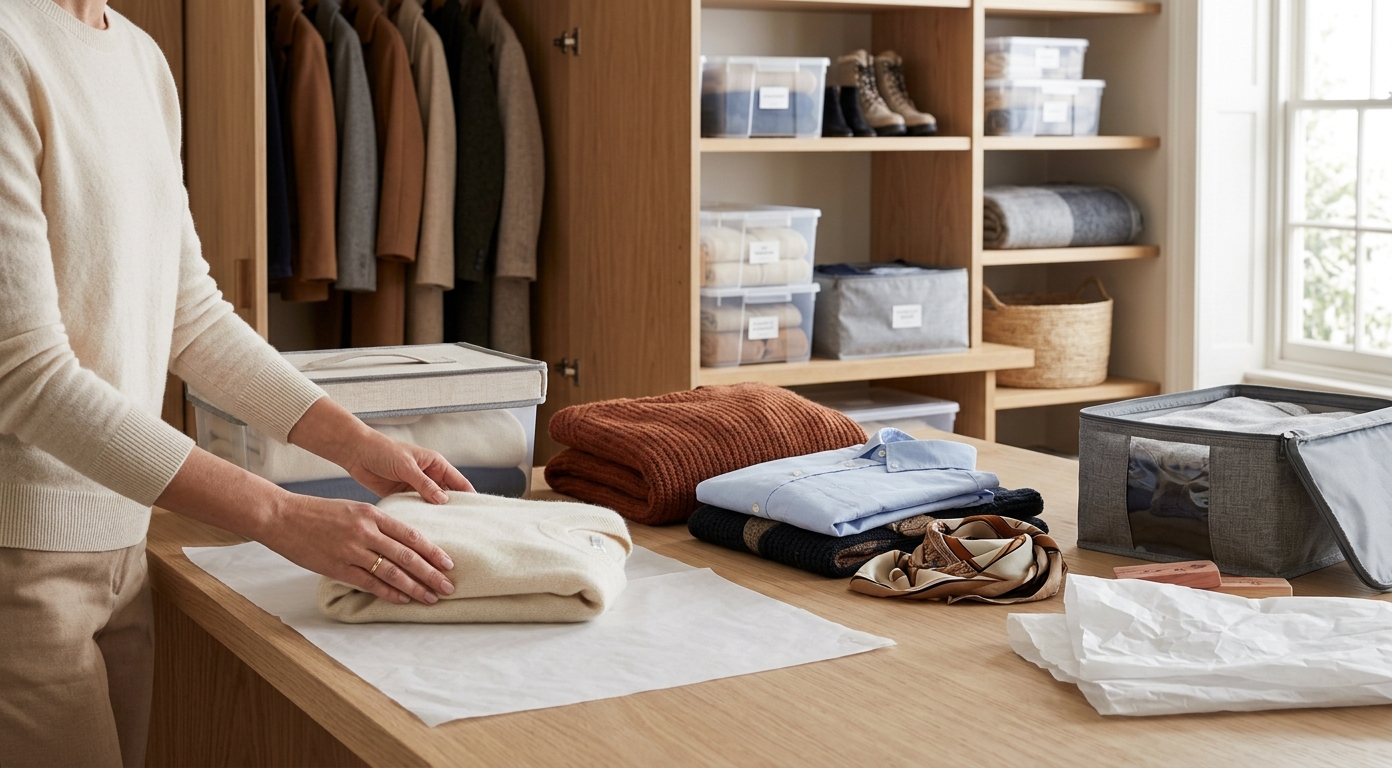
Different storage options provide protection and organization:
- Plastic bins with lids: Ideal for keeping dust and pests away, especially for heavy winter garments.
- Breathable fabric bags: Perfect for delicate fabrics that need air circulation to avoid moisture buildup.
- Vacuum-sealed bags: Save space, but avoid compressing delicate knits to prevent stretching.
- Drawer organizers: Useful for folded shirts, sweaters, or accessories to maintain shape and accessibility.
Selecting the right storage method ensures your clothes stay clean, fresh, and undamaged.
Tips for Folding and Packing
- Fold Sweaters and Knitwear: Avoid hanging to prevent stretching. Fold along seams for best shape retention.
- Roll Lightweight Items: Scarves, t-shirts, or leggings can be rolled to save space and prevent creases.
- Stack by Weight and Size: Place heavier items at the bottom and lighter ones on top to prevent squishing delicate fabrics.
- Use Acid-Free Tissue Paper: Insert between folds for silk, wool, or delicate fabrics to prevent wrinkles and preserve shape.
Thoughtful folding and packing make unpacking easier and keep garments ready for use.
Maintaining Freshness During Storage
- Add Natural Fresheners: Cedar blocks, lavender sachets, or dried herbs repel pests and keep fabrics smelling pleasant.
- Avoid Plastic Bags for Long-Term Storage: Non-breathable materials trap moisture, which can lead to mildew.
- Check Periodically: Inspect stored clothes mid-season to ensure no moisture or pest issues have developed.
Maintaining freshness prevents odors and fabric degradation over months of storage.
Organizing for Easy Access
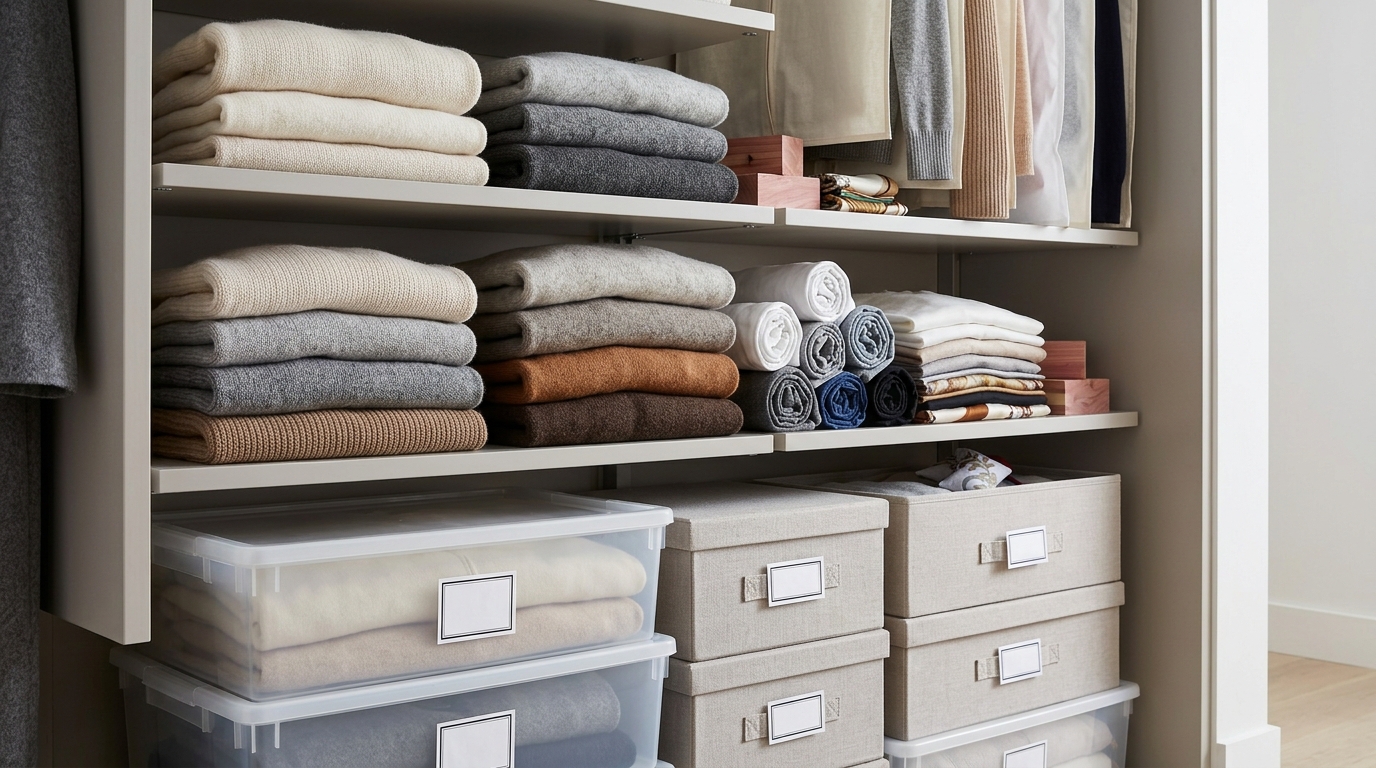
- Label Storage Bins: Include contents and season for quick identification.
- Store by Category: Keep outerwear, sweaters, and accessories together for streamlined retrieval.
- Use Vertical Space: Shelves or stacking bins maximize closet space and reduce clutter.
Organized storage reduces the stress of seasonal transitions and saves time when updating your wardrobe.
Conclusion: Smart Storage Protects Your Wardrobe
Properly packing and storing seasonal clothing after laundry extends garment life, prevents odors and damage, and keeps your wardrobe organized. By washing thoroughly, choosing the right storage solutions, folding carefully, and maintaining freshness, you can enjoy clean, ready-to-wear clothing every season. Smart storage is a small effort with lasting rewards for both your clothes and your daily routine.
