


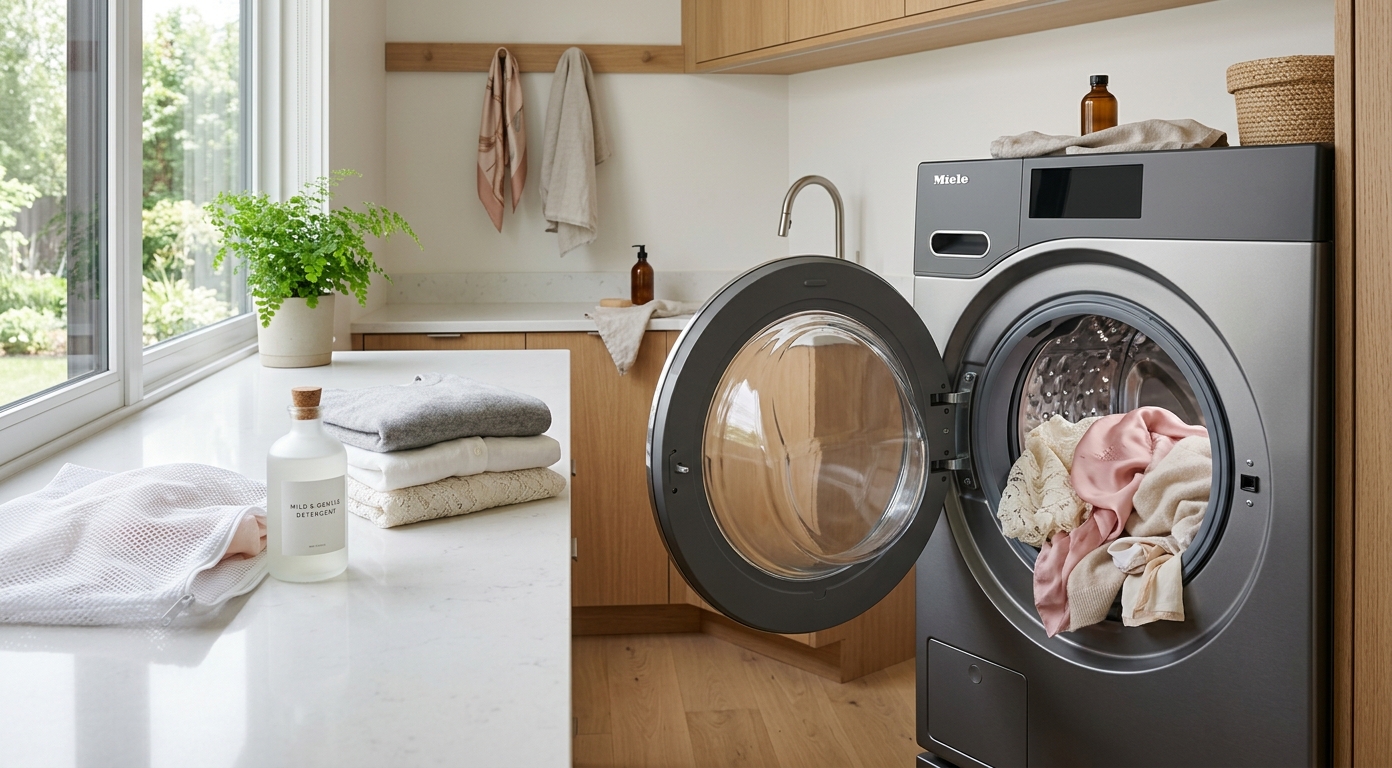
The gentle cycle, also labeled “delicate,” “hand wash,” or “wool” on some modern washing machines, is designed to clean clothes with less mechanical stress than standard cycles. In 2026, many washing machines use more advanced sensors, optimized drum movements, variable spin speeds, and load detection to adjust washing conditions according to fabric type and load size.
Instead of relying on aggressive agitation and high-speed spinning, gentle programs aim to reduce friction, stretching, and fiber damage while still removing everyday dirt. Used correctly, the gentle cycle can help delicate garments maintain their shape, softness, color, and overall appearance for longer.
When to Use the Gentle Cycle
The gentle cycle is particularly useful for fabrics and garments that can be damaged by excessive movement, heat, or friction.
- Delicate fabrics: Silk, chiffon, lace, satin, and fine knits generally benefit from reduced agitation.
- Wool and cashmere: These natural fibers can shrink, stretch, or felt when exposed to excessive agitation or unsuitable temperatures. Always check the care label first.
- Clothing with embellishments: Sequins, beads, embroidery, decorative trims, and delicate fasteners can be vulnerable to snagging or loosening.
- Lightly soiled clothing: For garments that mainly need refreshing rather than intensive stain removal, a gentle program can provide sufficient cleaning with less mechanical stress.
- Lingerie and underwear: Bras, lace garments, hosiery, and other delicate pieces are often better protected by a low-agitation cycle and a mesh laundry bag.
- Baby and lightweight garments: Small, lightweight clothing can benefit from gentler movement, particularly when made from soft or sensitive fabrics.
- Modern performance fabrics: Some lightweight athletic and technical garments may benefit from gentler washing, although the manufacturer's care instructions should always take priority.
Using the appropriate gentle program can reduce unnecessary wear and help preserve the original appearance and feel of suitable garments.
How the Gentle Cycle Works
Although programs vary between manufacturers and models, a modern gentle cycle generally uses several techniques to reduce fabric stress:
Reduced Agitation
The washing drum uses slower or more controlled movements than a standard cotton or heavy-duty program. This reduces friction between garments and helps minimize stretching, snagging, and fiber abrasion.
Lower or Controlled Spin Speeds
Gentle programs generally use lower spin speeds to reduce mechanical stress. This is particularly useful for knitted garments and fabrics that can become distorted when subjected to aggressive spinning.
Controlled Water Temperature
Many delicate programs use cool or low-temperature water. Lower temperatures can help protect sensitive fibers, dyes, elastic components, and finishes while also reducing energy consumption.
Optimized Wash Time
Depending on the machine, a delicate program may use shorter or carefully controlled washing periods. Some newer machines combine slower drum movement with sensors and program adjustments to balance cleaning performance with fabric protection.
Load and Fabric-Sensing Technology
Modern washing machines increasingly use sensors to detect factors such as load size, water level, and washing conditions. These technologies can help the machine optimize the cycle rather than treating every load in exactly the same way.
The result is a washing process designed to provide adequate cleaning while minimizing unnecessary mechanical stress.
Benefits of Using the Gentle Cycle
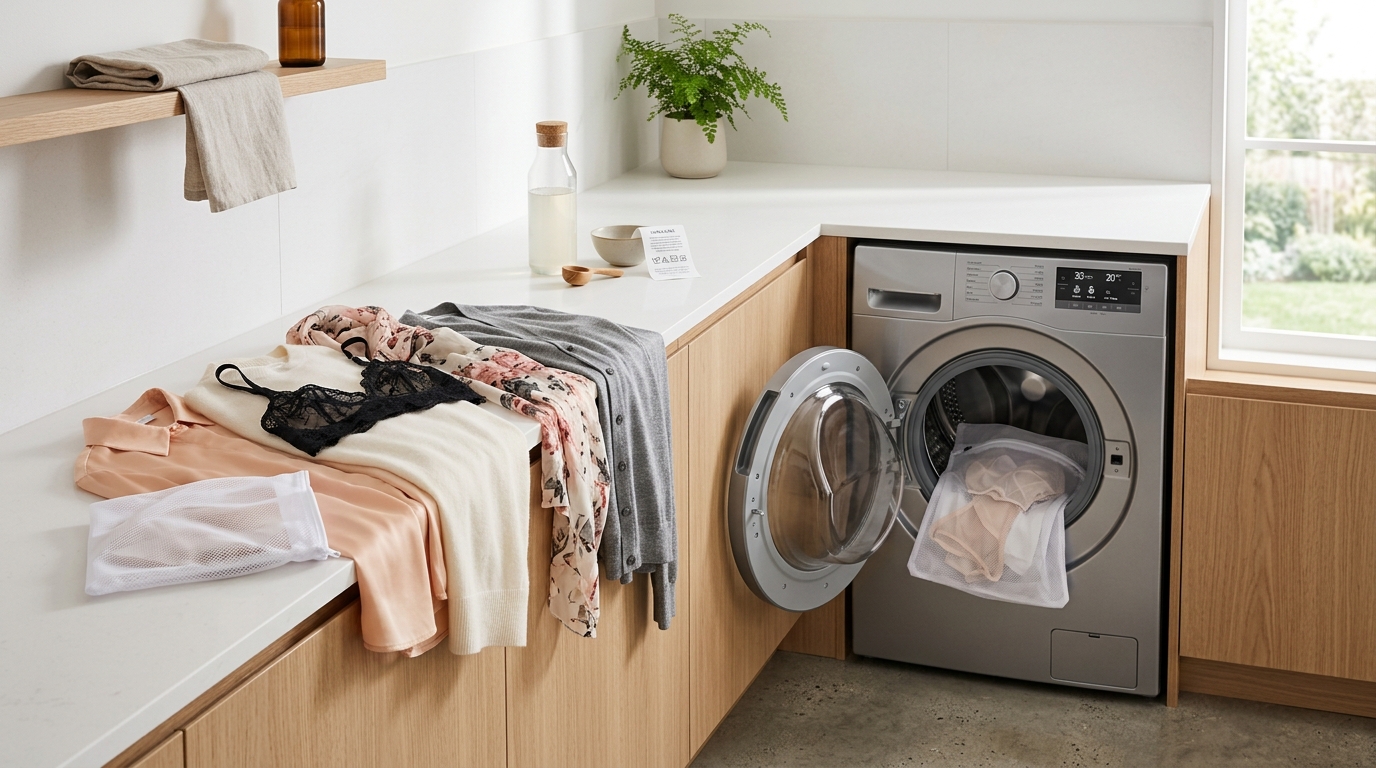
Choosing the right cycle can provide several benefits for suitable garments:
- Helps preserve fabric quality: Reduced friction can help minimize pilling, abrasion, fraying, and premature wear.
- Maintains garment shape: Lower mechanical stress can help delicate knits and stretch garments retain their intended shape.
- Protects colors: Cool or low-temperature washing can help reduce color fading for many garments.
- Supports longer garment life: Less aggressive washing may reduce cumulative wear, allowing suitable clothing to remain usable for longer.
- Protects decorative details: Mesh bags and gentle washing can help reduce stress on embroidery, lace, beads, sequins, and other decorative elements.
- Can reduce energy use: When a gentle program uses cooler water, it may require less energy than a high-temperature wash, although energy consumption varies by machine and cycle.
In 2026, choosing the appropriate wash program is increasingly part of a broader approach to clothing longevity, resource efficiency, and responsible laundry care.
Tips for Maximizing Gentle Cycle Effectiveness
Use a Mesh Laundry Bag
Place lingerie, hosiery, lace items, and other small delicate garments inside a mesh laundry bag. This helps reduce tangling and snagging during washing.
Choose Detergent Carefully
Use a detergent appropriate for the fabric and washing temperature. Delicate garments may benefit from a mild detergent, while wool and silk should only be washed with products specifically suitable for those fibers when required by the care instructions.
Avoid Overloading
Do not pack the drum tightly. Delicate clothing needs sufficient room to move through the water without excessive friction.
Separate Heavy and Delicate Items
Avoid washing delicate garments together with heavy items such as towels, denim, shoes, or bulky garments. Heavy fabrics can create additional friction and may damage lighter materials.
Turn Garments Inside Out
Turning suitable clothing inside out can help reduce direct abrasion on the outer surface and may help preserve prints, colors, and decorative finishes.
Check the Care Label
The washing-machine program should never replace the manufacturer's instructions. A garment marked “hand wash only” or “dry clean only” should not automatically be placed on a machine's gentle cycle.
Choose Gentle Drying
Washing gently is only part of fabric care. High dryer temperatures can also cause shrinking, elastic damage, and premature wear. When appropriate, air-dry delicate garments or use a low-temperature drying option.
Remove Delicates Promptly
Take delicate clothing out of the washing machine soon after the cycle ends. Reshape knitted garments and lay suitable items flat or hang them according to their care instructions.
When Not to Use the Gentle Cycle
The gentle cycle is not designed to solve every laundry problem.
Avoid relying on it for heavily soiled clothing, substantial stains, towels, bedding, heavily worn workwear, or other sturdy items that require stronger mechanical action or a specialized cycle.
For example, towels generally need a program designed for heavier fabrics and effective soil removal, while heavily stained clothing may require appropriate pre-treatment and a more intensive wash.
The opposite can also be true: some delicate garments should not be machine washed at all. Always check the care label before selecting a cycle.
The key is to match the wash program, water temperature, detergent, load size, and drying method to the garment rather than automatically choosing the gentlest setting for everything.
Gentle Cycle vs. Hand Wash and Wool Programs
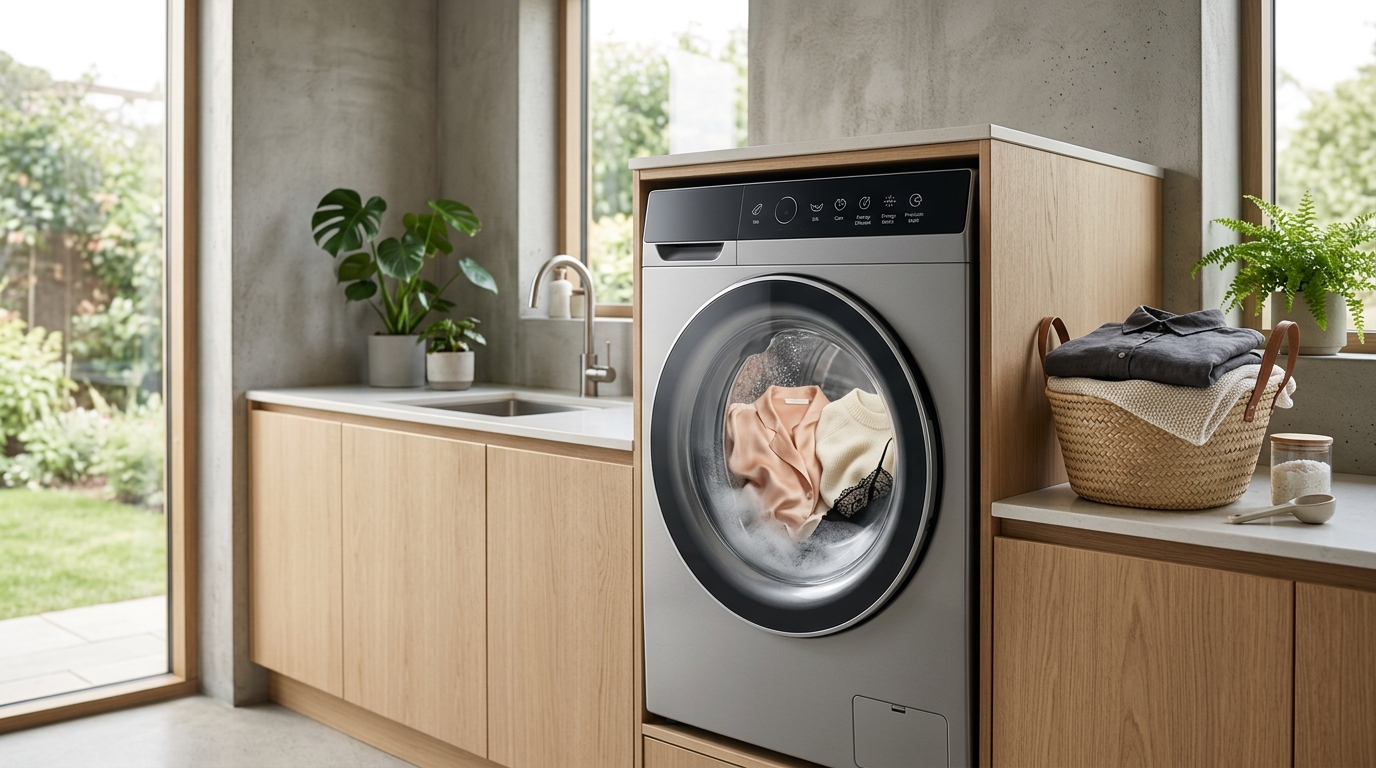
Modern washing machines may offer several programs that appear similar but are designed for different purposes.
- Gentle/Delicate: Generally intended for lightweight or fragile garments requiring reduced mechanical action.
- Hand Wash: Designed to imitate some of the gentler movement associated with hand washing, although the exact program varies by machine.
- Wool: Specifically developed for suitable wool garments and may use specialized drum movements, temperatures, and spin settings.
- Quick Wash: Primarily designed for speed and lightly soiled loads, not necessarily for delicate fabrics.
- Eco Wash: Designed to reduce resource consumption through specific combinations of temperature, time, and water use. It should not automatically be considered a delicate cycle.
Understanding these differences helps prevent a common mistake: assuming that every low-intensity or short program provides the same type of fabric protection.
Conclusion: Gentle Care for Longer-Lasting Clothes
In 2026, the gentle cycle is more than simply a slower washing option. Modern laundry technology combines controlled drum movements, lower temperatures, optimized spin speeds, and, in some machines, sensor-based adjustments to provide more fabric-conscious washing.
The most effective approach is still simple: read the care label, select the appropriate program, avoid overloading, use the right detergent, and dry delicate garments carefully.
When used for the right clothing, gentle washing can reduce unnecessary wear, help preserve fabric quality, and support a longer-lasting wardrobe. It is a small adjustment to your laundry routine that can make a meaningful difference to how your clothes look and feel over time.
