



Laundry may seem straightforward, but small mistakes at home can compromise fabric quality, reduce garment lifespan, and even damage washing machines. Many people overlook simple precautions, which can lead to stretched clothes, faded colors, or permanent wear. Identifying and correcting these common errors protects both your wardrobe and your appliances.
Overloading the Washing Machine
One of the most frequent laundry mistakes is overloading the washing machine. Crowding clothes reduces water and detergent circulation, preventing proper cleaning. Overstuffed machines also cause friction between garments, leading to pilling, stretched seams, and torn fabric. To avoid this:
- Follow the load guidelines in your washer manual.
- Leave enough space for clothes to move freely during the wash.
Using Excessive Detergent
While it may seem logical that more detergent means cleaner clothes, overdosing can harm fabrics. Excess detergent leaves residue that stiffens fibers, attracts dirt, and can irritate sensitive skin. It can also cause soap buildup inside your machine. Using the recommended amount for your load size and water hardness is crucial for both clothing and machine care.
Ignoring Fabric Labels
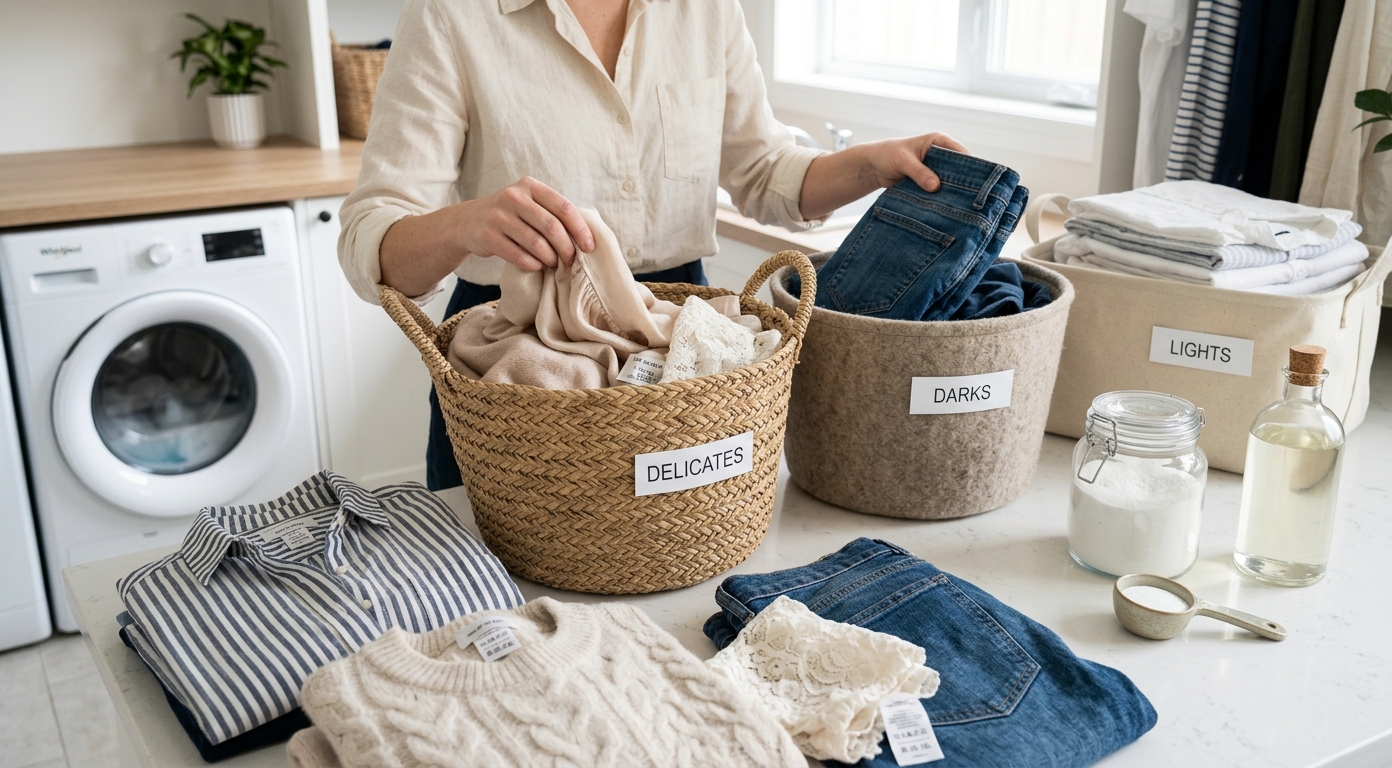
Fabric care labels aren’t just suggestions—they provide essential instructions for washing, drying, and ironing. Ignoring them can lead to shrinking, fading, or fabric distortion. For example:
- Wool and silk often require gentle cycles.
- Cotton may shrink in hot water.
- Delicate embellishments like beads or sequins need special handling.
Always read labels before washing and sort clothes accordingly.
Improper Drying Practices
Drying clothes incorrectly can damage fabrics as much as improper washing. High heat can shrink or weaken fibers, while prolonged sun exposure may fade colors. Avoid:
- Over-drying in the dryer for delicate fabrics.
- Hanging heavy items like sweaters, which can stretch their shape.
- Leaving damp clothes in piles, which promotes mildew and odors.
Opt for air drying or use appropriate dryer settings for delicate items.
Mixing Fabrics and Colors
Mixing fabrics with different washing requirements can cause friction damage and color transfer. Heavy fabrics like jeans can abrade lightweight fabrics like silk or lace. Dark and light clothes should also be separated to prevent dye transfer. Sorting laundry by color, weight, and care requirements protects both garments and overall wash quality.
Neglecting Washing Machine Maintenance

A poorly maintained washing machine can indirectly harm fabrics. Residue buildup, mold, and clogged filters may deposit grime back onto clothes. Regularly clean your machine’s drum, detergent drawer, and filters to maintain hygiene and washing performance.
Tips for Safer Laundry Practices
- Always check care labels before washing.
- Sort laundry by color, weight, and fabric type.
- Measure detergent accurately; avoid overuse.
- Avoid overloading the washing machine.
- Use gentle cycles for delicate fabrics.
- Dry clothes using recommended methods.
- Clean and maintain your washing machine regularly.
Conclusion: Protect Your Fabrics with Smart Laundry Habits
Many at-home laundry mistakes are easy to prevent but can significantly impact fabric safety. By avoiding overloading, using the correct detergent, respecting care labels, and maintaining machines, you ensure clothes remain clean, fresh, and long-lasting. Thoughtful laundry practices protect both garments and your household investment.
