


Every garment has a lifecycle—from the moment it’s created to the day it's retired. While fabric quality, construction, and design all play critical roles in how long clothing lasts, nothing influences longevity as continuously as laundry care. Each wash cycle shapes a garment’s future: how it feels, looks, and performs over time.
Understanding how laundry affects the lifecycle of your clothing empowers you to make choices that extend use, reduce waste, and protect your wardrobe investment.
The Beginning: A Garment’s First Wash Matters More Than You Think
The first wash sets the tone for how a garment ages.
Why the first wash is critical
- Fibers are still settling after manufacturing
- Residual dyes may not be fully bonded
- Fabric finishes (softeners, stiffeners, antimicrobials) begin to wash out
- Water temperature and detergent chemistry can cause early shrinkage or fading
A gentle first wash with mild detergent helps stabilize fibers and preserve the garment’s structure.
Smart care at this stage includes:
- Washing in cold water
- Turning garments inside out
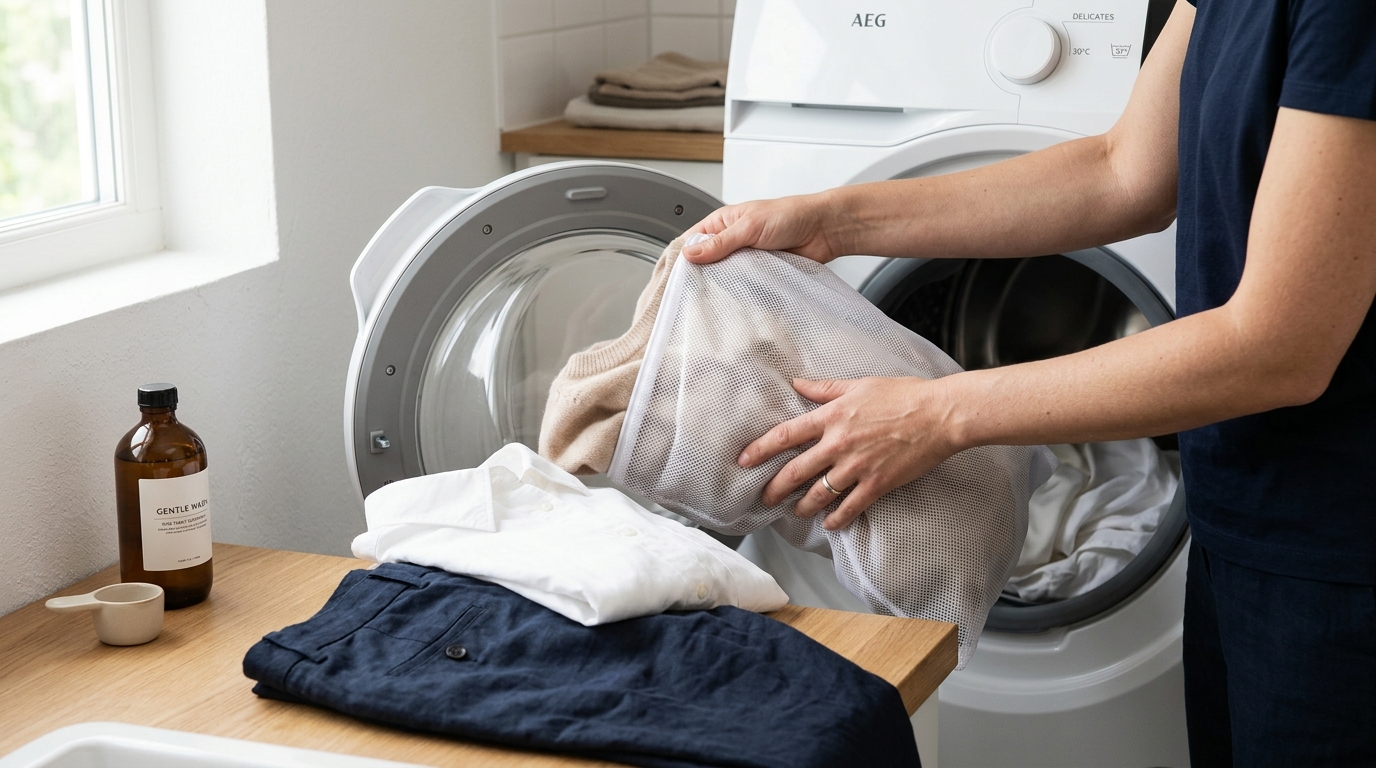
- Using mesh bags for delicate items
- Skipping harsh chemicals or high-speed spin cycles
These early choices prevent premature wear.
Daily Wear: How Clothes Experience Stress Between Washes
Before laundry even happens, garments go through environmental stress:
- Heat and sweat
- Friction against skin or bags
- Stretching during movement
- UV exposure, especially on bright or dark colors
Quality laundry care later helps reverse or minimize this daily stress.
The Wash Cycle: Where Most Garment Aging Happens
How you wash clothing directly influences how long it will last.
Agitation and friction
Washing machines create mechanical stress, which can cause:
- Pilling
- Fading
- Fiber breakage
- Thinning of high-friction zones (armpits, elbows, inner thighs)
Gentle cycles and reduced load sizes help protect delicate fabrics.
Detergent choices matter
Detergents with high alkalinity or harsh chemicals can weaken fibers. Excess detergent also leaves residue that stiffens clothing and attracts dirt.
Using the right detergent in the right amount reduces unnecessary wear.
Water temperature’s role
Hot water accelerates:
- Color fading
- Elastic damage
- Shrinkage
- Breakdown of fibers like wool and silk
Cold or lukewarm water is usually the safest option.
The Rinse and Dry Cycle: Subtle but Significant Effects
Rinsing
Insufficient rinsing leaves behind:
- Minerals from hard water
- Detergent residue
- Fabric softener buildup
These can stiffen fibers and cause long-term brittleness. Proper rinsing keeps fabrics flexible and breathable.
Drying
Dryers cause some of the fastest garment aging:
- High heat weakens fibers
- Elastics become brittle
- Clothes shrink or lose shape
- Colors fade faster
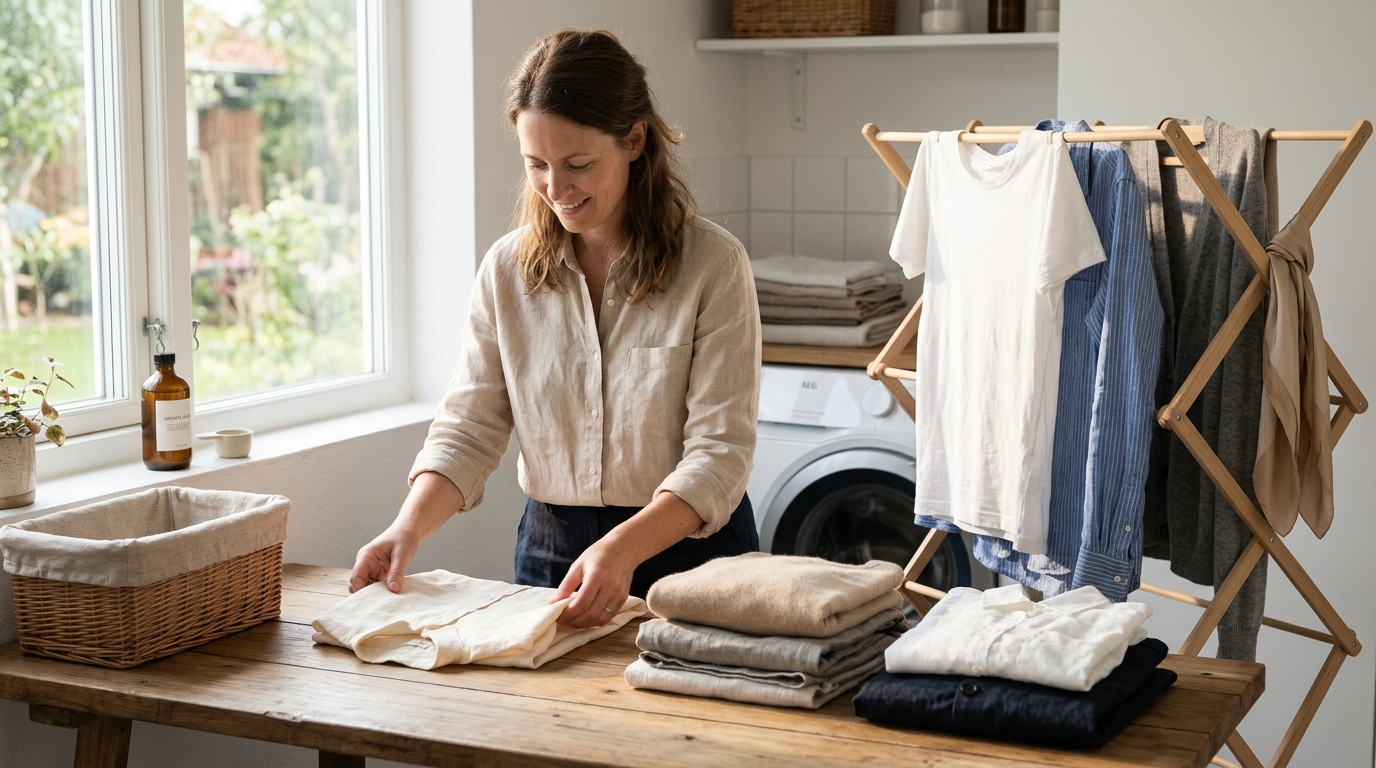
Air drying—especially flat drying for knits—preserves structure and stretch.
If machine drying is necessary, low heat is the safest option.
Long-Term Effects: Cumulative Wear Over Dozens of Washes
Laundry care isn’t about one wash—it’s about habits repeated over time.
Over 20+ washes, poor laundry habits can cause:
- Faded colors
- Thinning fabric
- Persistent pilling
- Weakening seams
- Loss of elasticity
Over 50+ washes, you may see:
- Holes forming
- Stretched necklines
- Stiff textures
- Broken fibers
Consistent gentle care slows this progression significantly, extending a garment's lifespan by months or even years.
The Sustainable Impact: Why Longevity Matters
Extending a garment’s life is one of the most sustainable actions consumers can take. When you keep clothing in rotation longer, you reduce:
- Textile waste
- Water consumption from clothing production
- Microfiber pollution from excessive washing
- The need for frequent replacements
Smart laundry care supports both environmental sustainability and personal cost savings.
Practical Laundry Techniques That Extend Garment Use
Sort by fabric type, not just color
Prevent heavy items from damaging lightweight fabrics.
Wash less frequently
Spot-clean or air out garments to reduce unnecessary cycles.
Use garment bags for delicates
Minimizes friction and stretching.
Avoid overloading the machine
Allows water and detergent to work effectively without excess agitation.
Choose gentle cycles whenever possible
Protects fibers, seams, and embellishments.
Conclusion
A garment’s lifecycle isn’t determined by price or brand alone—it’s shaped by the care practices applied every week at home. Quality laundry care keeps fibers strong, colors vibrant, shapes intact, and fabrics comfortable for longer.
By understanding how each stage—from first wash to repeated cleaning—impacts wear and tear, you gain control over how long your garments last. With thoughtful laundry habits, you can significantly extend the life of your clothing, reduce waste, and get more value from every piece you own.
